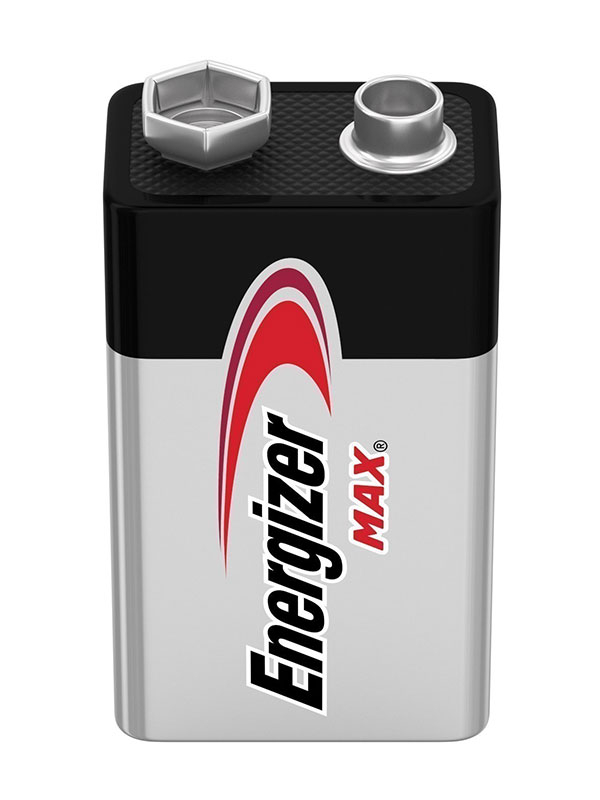
If you examine the back of your Cyton near the power input, it says "12V", which is the max voltage allowed. So 9V is fine. Although these cells are typically lower power capacity than the AA's or Lipo's. That is measured in mAh, milliamp hours.
I was thinking of using a li-po battery to power the cyton. Is there a way to make a switching charging circuit with a micro-usb, so that I can charge the battery and then use it directly without having to unplug it everytime?
Integrating both the battery and the charge circuit inside an enclosuree would with just the usb exposed, using these
You may be better off with some type of pre-built "usb power bank". These offer 5V output to power your device, and can be charged from a wall outlet DC power supply. However note that most of these use a DC-DC "boost converter" chip between the battery and 5V output, that may possibly introduce noise into your 5V going to the Cyton. Cyton has voltage regulators on the mainboard that 'should' reduce / eliminate such noise, but your mileage may vary depending on the DC filtering / conditioning inside the power bank.
Thank you for the reply. I'm trying to make the most compact package, squeezing the battery near the cyton board in a 3D printed enclosure. One thing I can't fin any info online is: does the cyton board itself has a bms chip? Can I directly plug a 3.7V small LiPo battery to it?
@NinjaPotato said:
Thank you for the reply. I'm trying to make the most compact package, squeezing the battery near the cyton board in a 3D printed enclosure. One thing I can't find any info online is: does the cyton board itself has a bms chip? Can I directly plug a 3.7V small LiPo battery to it?
Cyton does NOT have a BMS (battery management system) chip. It only has linear voltage regulator chips to derive fixed voltages from the incoming raw battery. Cyton can take ANY battery type less than 12V. The Cyton 3D printed enclosure is intended to house both the mainboard and a LiPo cell underneath.
Note that SOME JST batteries have reverse polarity at the JST plug. Check to be sure. You can splice / swap to correct.
Would it work or would the battery over discharge? Consider that the battery has all the over charge and discharge protections already on board.
I'm not sure what you are asking, the Adafruit charger will charge that battery just fine. Provided ONLY the battery is connected to the charger. Of course the Cyton can use the type of batteries you mention or are sold on Adafruit.


Comments
Hello Q,
If you examine the back of your Cyton near the power input, it says "12V", which is the max voltage allowed. So 9V is fine. Although these cells are typically lower power capacity than the AA's or Lipo's. That is measured in mAh, milliamp hours.
William
I was thinking of using a li-po battery to power the cyton. Is there a way to make a switching charging circuit with a micro-usb, so that I can charge the battery and then use it directly without having to unplug it everytime?
Integrating both the battery and the charge circuit inside an enclosuree would with just the usb exposed, using these
Hi Ninja,
You may be better off with some type of pre-built "usb power bank". These offer 5V output to power your device, and can be charged from a wall outlet DC power supply. However note that most of these use a DC-DC "boost converter" chip between the battery and 5V output, that may possibly introduce noise into your 5V going to the Cyton. Cyton has voltage regulators on the mainboard that 'should' reduce / eliminate such noise, but your mileage may vary depending on the DC filtering / conditioning inside the power bank.
https://www.google.com/search?q=usb+power+bank+with+very+clean+5+volt+output
Another related option are the "PowerBoost / Chargers" from Adafruit:
https://www.adafruit.com/?q=powerboost&sort=BestMatch
I see most of the 'charger' versions are now out of stock, but this one they still list as in stock:
https://www.adafruit.com/product/2078
Same comments as previously made apply: the 5V DC output from the PowerBoost may contain some slight noise from the boost converter circuitry.
Regards, William
Thank you for the reply. I'm trying to make the most compact package, squeezing the battery near the cyton board in a 3D printed enclosure. One thing I can't fin any info online is: does the cyton board itself has a bms chip? Can I directly plug a 3.7V small LiPo battery to it?
My idea now was to charge it with this,
https://www.amazon.com/Adafruit-Micro-Lipo-MicroUSB-Jack/dp/B00MJ0HOKS/
And plug this jst connector battery directly into the cyton jst female connector:
https://www.amazon.it/EEMB-Batterie-Rechargeable-Navigation-Enregistreur/dp/B08FD3V6TF/
Would it work or would the battery over discharge? Consider that the battery has all the over charge and discharge protections already on board.
Cyton does NOT have a BMS (battery management system) chip. It only has linear voltage regulator chips to derive fixed voltages from the incoming raw battery. Cyton can take ANY battery type less than 12V. The Cyton 3D printed enclosure is intended to house both the mainboard and a LiPo cell underneath.
The Adafruit charger you mention is intended to plug directly into the battery with no additional circuitry (such as the Cyton mainboard components.)
Note that SOME JST batteries have reverse polarity at the JST plug. Check to be sure. You can splice / swap to correct.
I'm not sure what you are asking, the Adafruit charger will charge that battery just fine. Provided ONLY the battery is connected to the charger. Of course the Cyton can use the type of batteries you mention or are sold on Adafruit.
William